



Braids Leaders Line
SUSTAINABILITY – NOT JUST ANOTHER FANCY WORD
Jun
Sustainability is not just another fancy word for us. We are really careful and selective with the brands we work with. We make sure that their manufacturing procedures regarding the environment and work ethics are in line with our beliefs about sustainable fashion and fair trade.
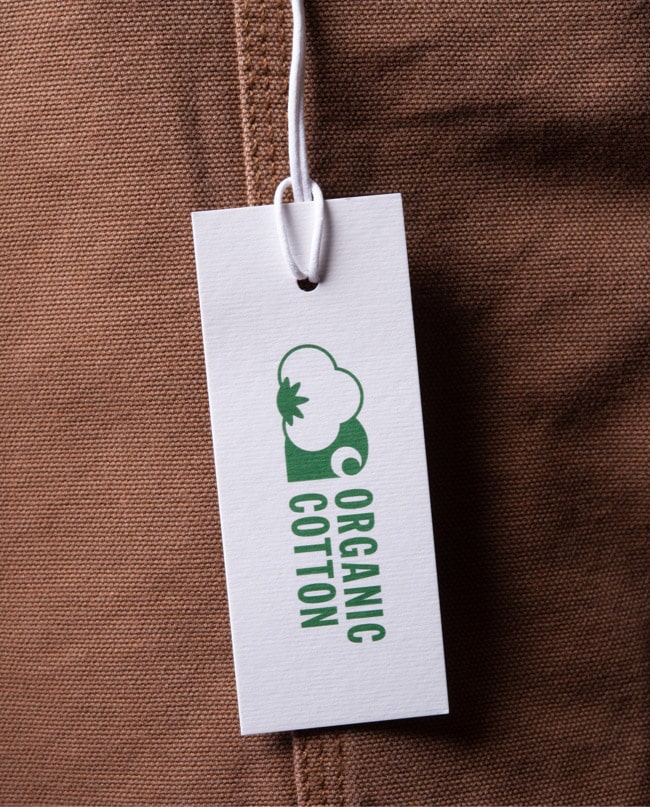
Carhartt WIP is a top brand when it comes to sustainability. You probably know about Carhartt WIP’s organic cotton products and that soft feeling on your body. Apart from that the brand uses a wide variety of recycled materials and in 2017 they became a member of the “Better Cotton Initiative” (BCI). BCI is a non-profit organization that aspires to set new standards for global cotton farming to make it better for the people who produce it, better for the environment it grows in and better for the cotton sector’s future. Up to now, BCI and its partners have provided training on sustainable agricultural practices to 2.2 million farmers in 21 cotton growing countries, driving the cotton sector towards sustainability. Carhartt WIP is committed to increasing the sourcing of Better Cotton for their products year on year until all the cotton they use is sourced sustainably. You can read more about their corporate responsibility here and why we truly love this brand apart from their top designs.
Iriedaily is one of the first brands that joined the fair wear foundation. Fair Wear was founded in 1999 with the ambitious mission to improve labor conditions in the garment industry. Progress has been made since then, but significant challenges remain. You can read more about FWF here. Iriedaily has achieved the Leader Status at FWF in Summer 2018 which they hold since then. Apart from that they deploy a big strategy when it comes to sustainability with recycled materials, organic cotton, PETA approved vegan fabrics and the use of hemp in their garments. You can read more about their sustainability program here.

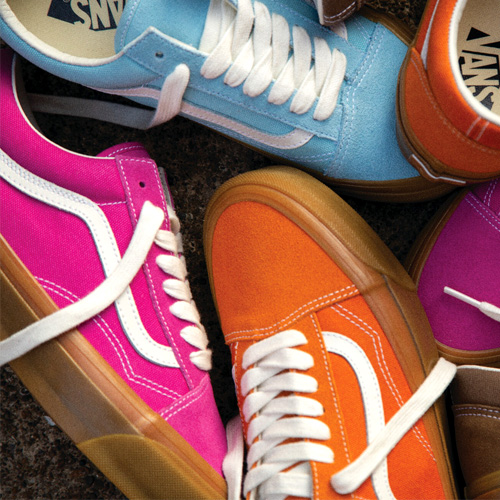
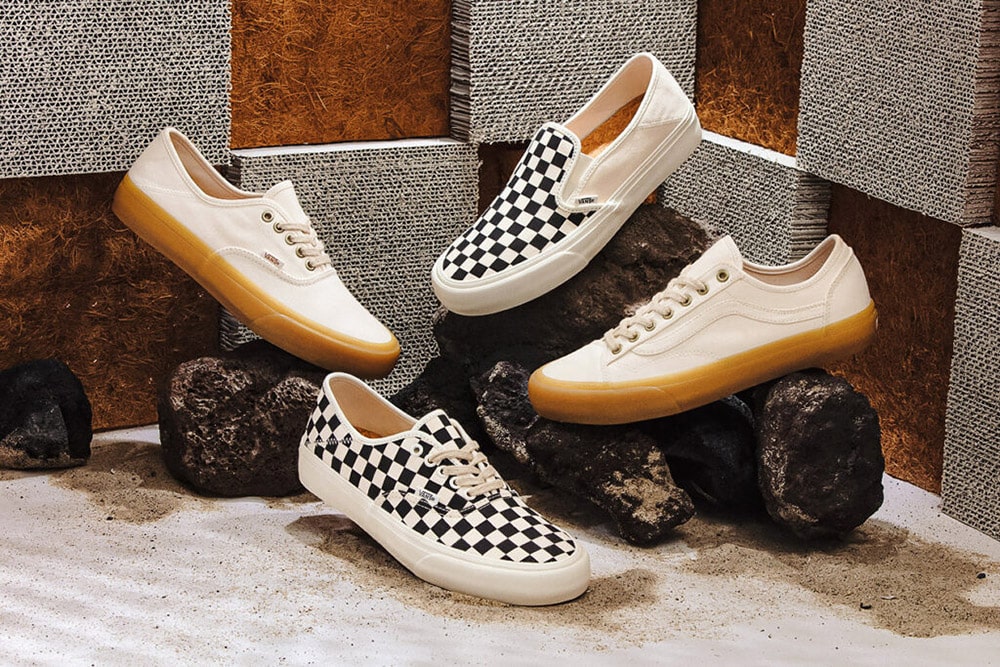
Vans has also set ambitious sustainability goals. The VR3 eco friendly collection has been introduced to support biodiversity and keep carbon out of the atmosphere. The materials that are used are renewable, regenerative and recycled.
“Sustainability has to be at the forefront of Vans for the future,” said Vans ambassador and professional surfer Dane Gudauskas. “It’s a fantastic moment to own the space and contribute to a more sustainable way of producing.”
Vans has committed to 100 percent renewable energy in owned and operated facilities by 2025, along with a 35 percent reduction in the impact of its key materials by the same year. A 30 percent aggregate reduction in greenhouse gas emissions (GHGs) by 2030 is also key.
Check for the VR3 logo in our Vans products. To earn the VR3 checkerboard globe logo the product is made of at least 30% from renewable regenerative or recycled.
For more info regarding Vans sustainability program please visit https://www.vans.com/en-us/sustainability.
 My account
 About us